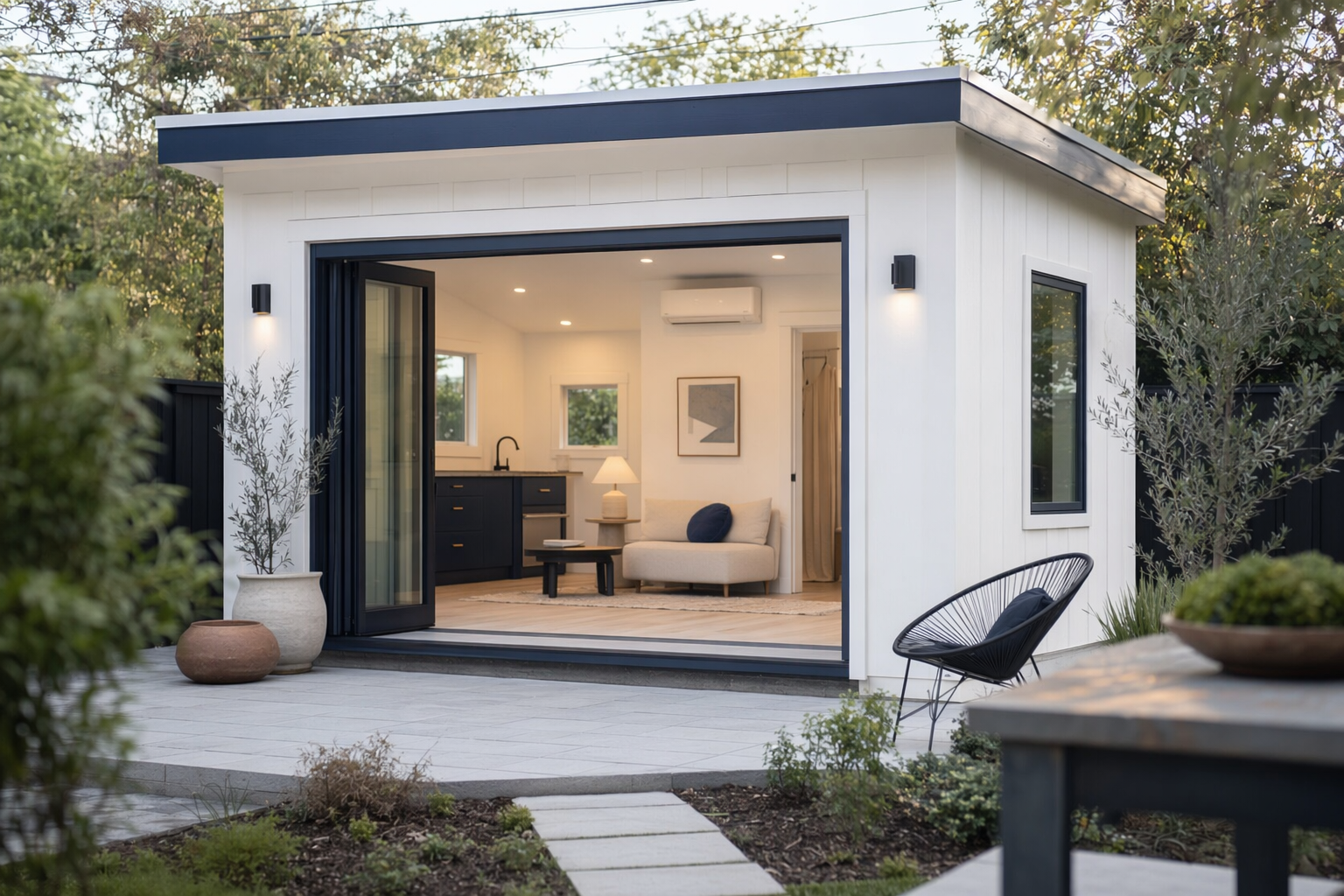
Why an ADU or garage conversion usually needs an architect
An accessory dwelling unit, or ADU, is a small independent home on the same lot as a main house. A garage conversion turns an existing garage into living space. These projects can look simple from the outside, but they often involve zoning rules, building code, structure, insulation, plumbing, electrical work, and life-safety requirements.
A licensed architect helps turn your idea into a buildable plan. They can study the site, measure the existing building, lay out rooms, and prepare permit-ready drawings for the city or county. They also help coordinate with other consultants when needed, such as structural or MEP engineers. MEP means mechanical, electrical, and plumbing.
Not every small project legally requires an architect in every city, but many homeowners choose one because ADUs and conversions have a lot of moving parts. Rules vary by state and city, so it is smart to verify what your local building department requires and confirm that the architect holds an active state license.
Studio Northing is not an architecture firm. We share general educational information and match you with a licensed architect for your project, free.
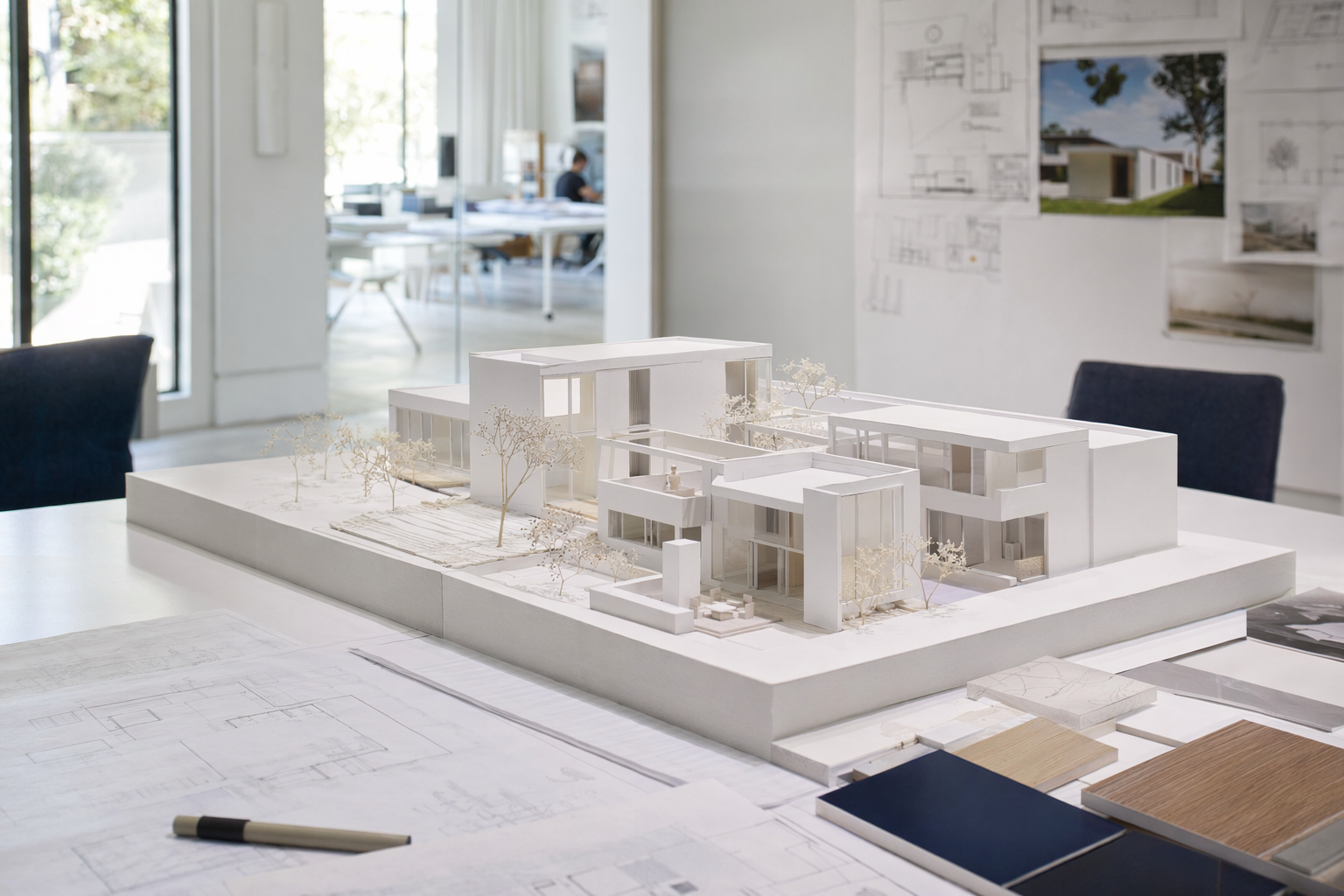
What a licensed architect can help with
A good ADU architect does more than draw a floor plan. They help you understand what may be possible on your property before you spend too much time or money going in the wrong direction. That can include lot review, garage measurements, access, parking questions, ceiling height, natural light, egress windows, privacy, and how the new unit relates to the main house.
They can also guide the design process in stages. Schematic design means early concept work: rough layouts, size options, and basic exterior ideas. Then the design is refined, and the architect prepares more detailed construction drawings for permit and pricing. If the project moves forward, they may also help answer contractor questions during construction.
For a detached ADU, the architect may study setbacks, height limits, lot coverage, and FAR. A setback is the required distance between a building and the property line. FAR stands for floor area ratio, a rule that can limit how much total building area is allowed on a lot. For a garage conversion, they may look closely at slab condition, wall framing, fire separation, moisture control, and whether new utility upgrades are needed.
If you want help understanding which services may make sense for your project, we can help you find an architect whose experience fits your goals.
Typical ADU and garage-conversion design process
Most projects start with a conversation about goals, budget, timeline, and the property itself. You may want rental income, space for family, a home office with a bathroom, or aging-in-place housing. The architect usually reviews your site information and any existing plans, then helps you compare practical options.
Next comes field measurement and existing-condition documentation, especially for a garage conversion. Then the architect develops concepts and a preferred layout. Once the design direction is chosen, the drawings become more detailed so they can be submitted for permit and used by contractors for pricing.
Depending on the project, additional consultants may be needed. Structural engineering is common when walls are altered, new openings are created, or a new detached unit is built. Civil, energy, survey, or soils work may also be needed in some jurisdictions. Your architect can explain what is typical for your area, but local rules and reviewer comments vary.
After submission, the city may issue plan-check comments. The architect can revise the drawings and coordinate responses. That does not guarantee approval, but it is a normal part of the process for many residential projects.
Always hire a licensed architect, and verify the state license yourself before work starts. General information, not architectural, engineering, or legal advice.