
When a renovation needs an architect
Some remodels are simple. Others affect structure, layout, safety systems, or the outside of the building. That is usually when an architect becomes important. A licensed architect can help turn your goals into clear plans, coordinate with local code requirements, and prepare drawings that builders and permit reviewers can understand.
You may want an architect if you are moving walls, changing windows or doors, adding square footage, reworking a kitchen or bathroom in a major way, converting space, or renovating an older home with unknown conditions. Commercial renovations often need an architect even for smaller changes, especially when occupancy, accessibility, or life-safety rules apply.
Rules vary by state, city, and project type. In some places, a contractor can handle limited work without an architect. In others, stamped drawings from a state-licensed architect may be required. We share general information and help you find a licensed architect, but you should always verify the architect's license in your state and confirm local permit requirements.
What renovation drawings usually include
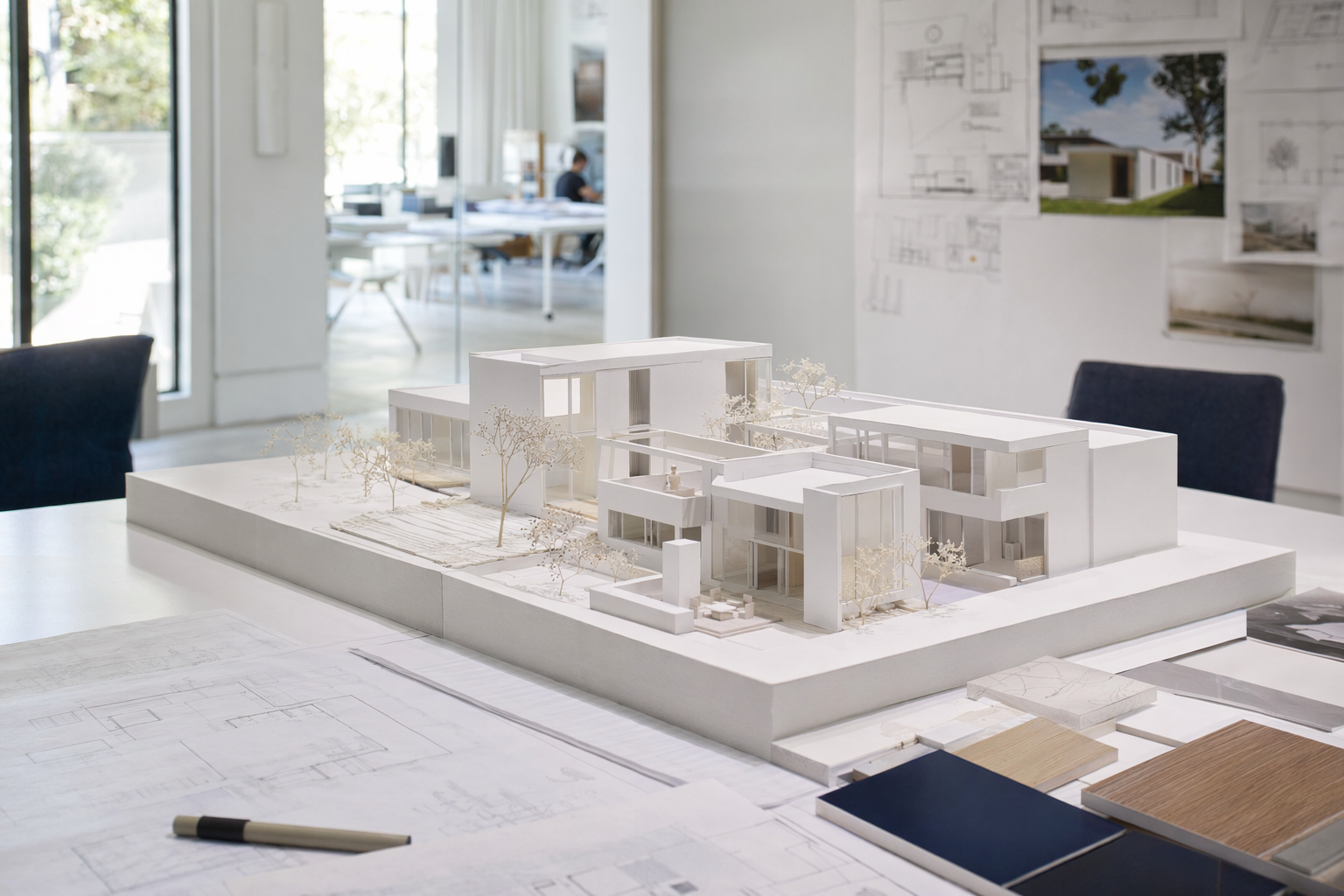
The right drawings depend on what you are changing. For a small interior remodel, you may only need measured existing drawings, demolition plans, a new floor plan, and basic notes. For a larger renovation, the drawing set may also include exterior elevations, building sections, reflected ceiling plans, door and window schedules, finish information, and coordination with structural, mechanical, electrical, and plumbing systems.
Permit-ready drawings are the plans submitted to the city or county for review. They are not just pretty sketches. They usually show dimensions, code notes, materials, and enough detail for a reviewer to understand the scope of work. Contractors may also need more detailed construction drawings so they can price and build the job more accurately.
You may hear terms like schematic design, design development, and construction documents. Schematic design means early concepts and layout options. Design development means refining the design, materials, and systems. Construction documents are the more complete drawing set used for permitting, pricing, and construction.
If your renovation touches MEP systems, that means mechanical, electrical, and plumbing. If it changes the building structure, a structural engineer may also be needed. An architect often helps coordinate these pieces, but the exact team depends on the project and local rules.
What an architect can help with during a remodel
A renovation architect does more than draw plans. They can help you define priorities, test layout ideas, identify likely code issues, and explain tradeoffs before you spend too much money in the wrong direction. In older homes and existing commercial spaces, this can be especially valuable because hidden conditions are common.
An architect may also help you compare options. For example, should you open a wall, add a small bump-out, keep plumbing where it is, or reconfigure rooms to get more function from the same square footage? Good early decisions can reduce redesign later.
During permitting and construction, some architects also answer reviewer comments, coordinate consultants, and help clarify drawings for the contractor. Services vary. Some architects stay involved through the whole project. Others are hired only for design and permit drawings. If you want help beyond the permit set, ask about that early.
If you are still deciding what kind of professional you need, our services page gives a simple overview, and projects shows the types of work homeowners and businesses often bring to us.
Typical renovation architect fees
Architect fees for renovations are often higher, per square foot or as a percentage, than fees for new construction of similar size. That is because remodels are less predictable. Existing conditions, hidden damage, uneven framing, old systems, and local review comments can all add complexity.
Common fee structures include a fixed fee, an hourly rate, or a percentage of construction cost. For full architectural services on many residential projects, a typical range is often around 8% to 15% of construction cost, but complex remodels can land outside that range. Limited-scope permit drawing packages may be priced differently. Commercial renovations vary widely based on use, size, and code requirements.
Do not assume the lowest fee is the best value. A cheaper drawing set can lead to more confusion during pricing, more change orders, or more back-and-forth during permit review. It is better to understand exactly what is included, what is excluded, and who will coordinate consultants if needed.
For a plain-language breakdown of fee models and what affects cost, see architect fees explained. These are typical ranges only, not quotes, and no one can responsibly price a renovation without understanding the actual scope.
How our free matching works
Studio Northing is not an architecture firm. We do not provide architectural, engineering, or legal advice, and we do not create or stamp drawings. We are a free educational matching service that helps you understand what to ask and connect with licensed architects who handle renovation work.
You tell us about your remodel, timeline, location, and what stage you are in. We then help you find architects who may be a fit for the project type and area. You can compare experience, ask questions, and decide whether you want to move forward with any architect. There is no cost to you to use the matching service.
If you are ready, you can get matched now. If you are still learning, our guides can help you understand permits, scope, fees, and the design process before you talk with anyone.
How to choose the right architect for a renovation
Start with license, project fit, and communication. Verify that the architect is licensed in your state. Then ask whether they have experience with renovations like yours, especially if your project involves an older building, a complicated layout, historic review, multifamily rules, or a commercial use.
Ask what they will deliver at each phase. Will they provide permit drawings only, or also help with bidding and construction? Will they coordinate consultants? How do they handle site measurements, unforeseen existing conditions, and permit comments? Clear answers now can save stress later.
Pay attention to how well they explain things. A good architect should be able to translate technical issues into plain English. If English is not your first language, it is reasonable to ask for slower explanations, written summaries, or examples of what happens next.
Before signing, review the proposal carefully. Look for scope, assumptions, schedule, reimbursable expenses, and what happens if the project changes. Renovations often evolve after walls are opened, so it helps to know how additional services would be handled.
In plain English
If your remodel needs real plans, we help you understand the process and connect you, free, with a licensed architect who can handle renovation drawings.
Always hire a licensed architect, and verify the state license yourself before work starts. General information, not architectural, engineering, or legal advice.