
What structural coordination means
Structural coordination is the process of making sure the architectural design works with the building’s structure. That includes framing, foundations, beams, columns, and other load-bearing parts of the project.
It also includes coordination with MEP systems. MEP means mechanical, electrical, and plumbing. In plain language, it is how air moves, how power gets to outlets and equipment, and how water, waste, and drainage are routed through the building.
This work matters because a pretty drawing is not enough. The plans need to be buildable, code-aware, and consistent across disciplines.
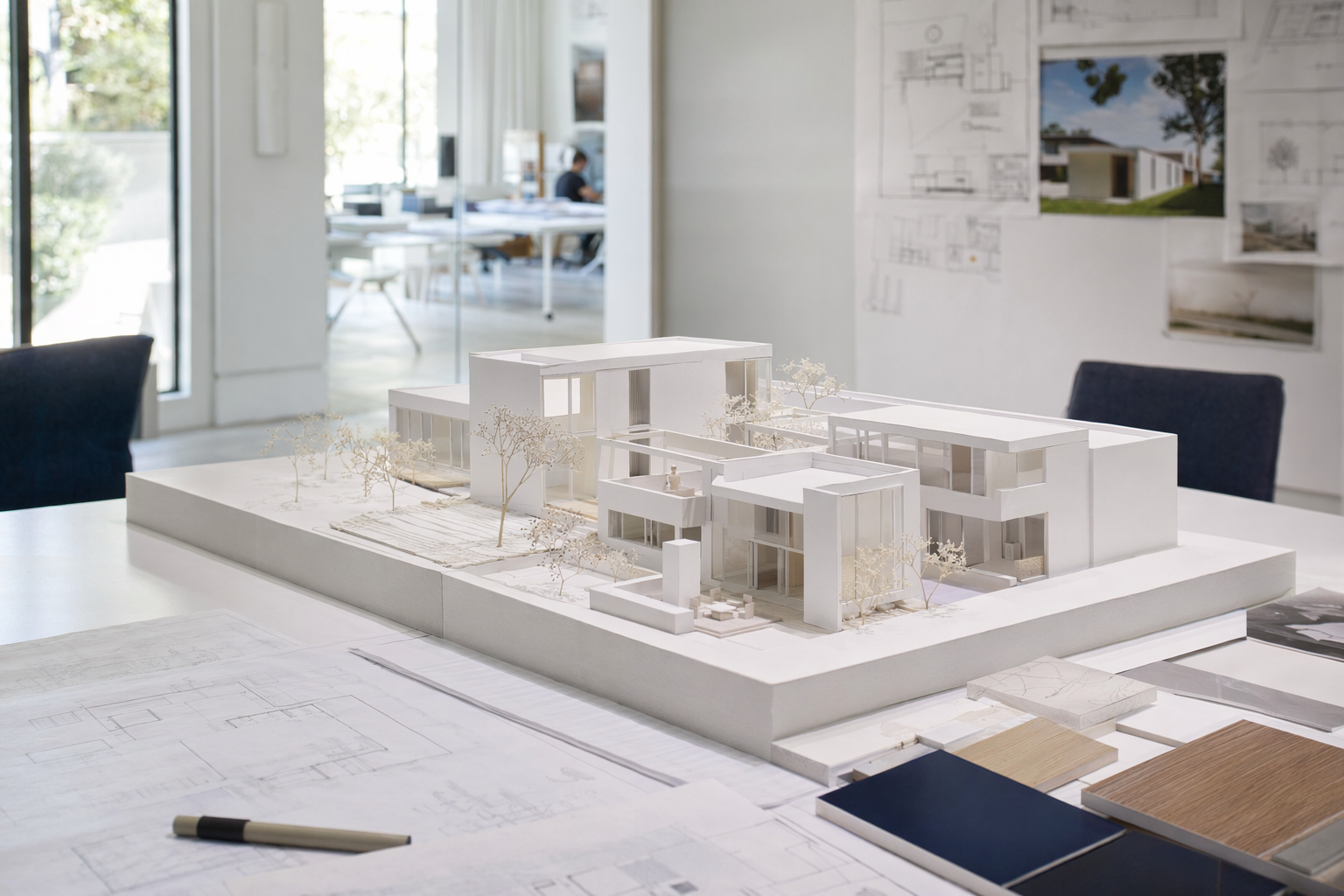
How a licensed architect helps coordinate the team
A licensed architect often acts as the coordinator for the design team. They help organize the drawings, identify conflicts early, and communicate with structural and MEP engineers so each part of the plan supports the others.
For example, a ceiling design may need enough space for ducts. A large opening in a wall may need a beam or other structural solution. A kitchen or bathroom layout may need plumbing routes that fit the structure below.
Studio Northing is not an architecture firm. We help you find and connect with a licensed architect who can guide this coordination on your project.
Why coordination matters before you submit
When the drawings do not align, reviewers may ask for revisions, and builders may run into problems in the field. Coordination helps reduce those clashes by checking the design early.
It is especially important for custom homes, additions, renovations, ADUs, and commercial work where existing conditions are often uncertain. Older buildings can hide surprises, and even small changes can affect structure or mechanical routes.
No one can promise a smooth review or approval. Rules vary by state and city, and every project is different. But good coordination usually makes the process clearer and more organized.
When you should ask about structural and MEP coordination
Ask about coordination early if your project includes any of the following:
- removing or moving walls
- adding a second story or large addition
- changing roof lines or floor framing
- opening up kitchens, living rooms, or storefronts
- adding bathrooms, laundry, or commercial equipment
- converting space into an ADU or another separate unit
If you are not sure whether your project needs engineering, a licensed architect can help you understand what may be required and what to verify with local officials.
What to expect in a typical process
The process often starts with a concept or schematic design. That is the early stage where the layout and big decisions are developed before every technical detail is finished.
Next, the architect coordinates with engineers so the structure and building systems fit the design. The team then refines the drawings into permit-ready documents, if your local jurisdiction requires that level of detail.
For many projects, there are back-and-forth revisions. That is normal. The goal is to resolve conflicts on paper before construction begins.
How to get matched for free
If you need help understanding the next step, start with get matched. We help you find a licensed architect for your project, and the service is free for you.
You can also browse services to see the kinds of projects we support, or read more on guides if you want to learn the basics first.
If you are comparing fees, our architect fees explained guide gives general, typical ranges so you know what questions to ask.
In plain English
This page explains how an architect coordinates structure and building systems so the design is more complete, and how Studio Northing can match you with a licensed architect for free.
Always hire a licensed architect, and verify the state license yourself before work starts. General information, not architectural, engineering, or legal advice.