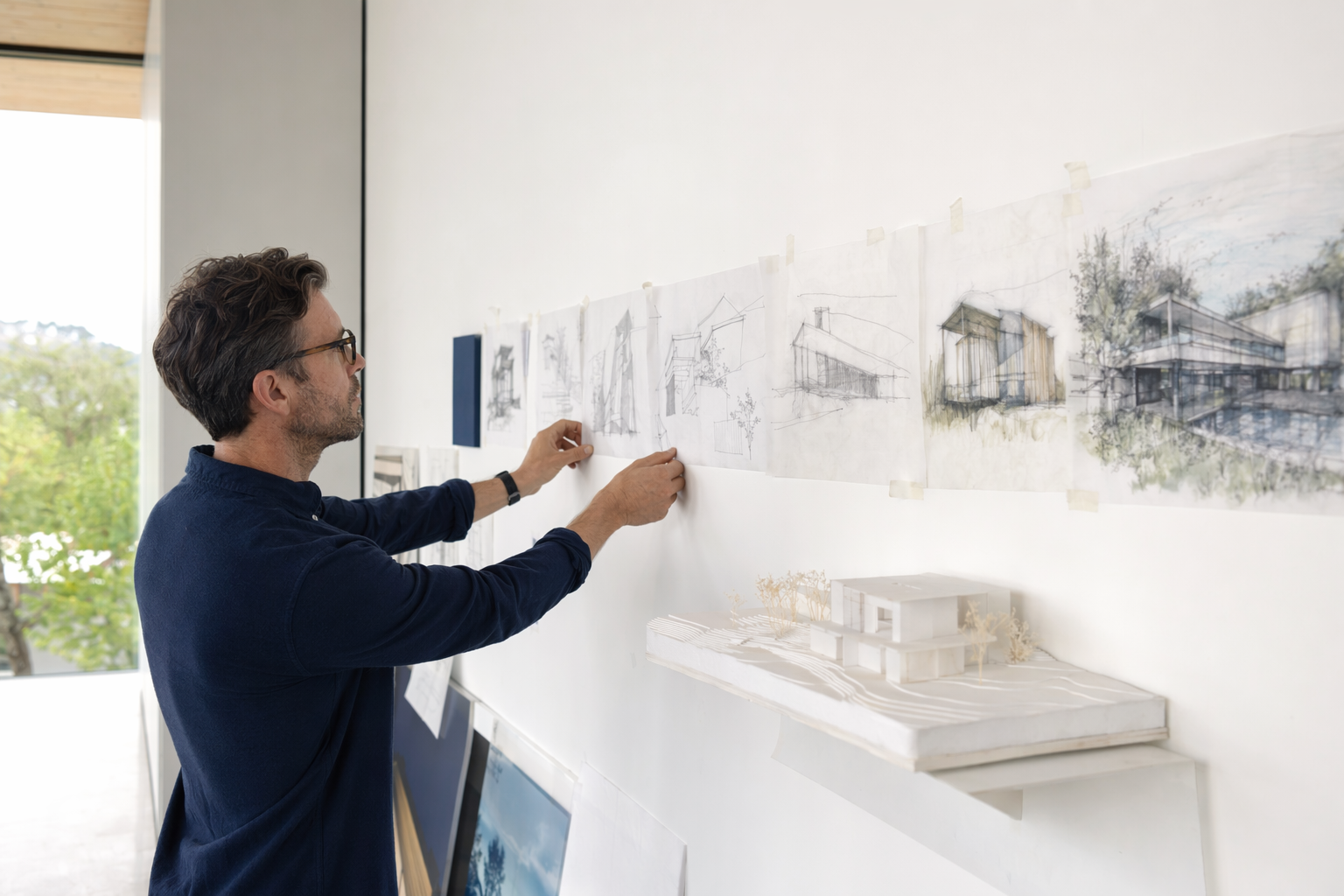
Step 1: Confirm what you’re building (and where)
Write a one-paragraph project summary you can reuse. Example: “We want to add a 2-bedroom addition to our home on the south side, keeping the same roof style.”
Then list the location details. You’ll want the address (or parcel number), and whether you’re in a city, county, or special district. Rules can vary by state and even by neighborhood, so location matters for permit-ready design.
- Project type: custom home, addition, renovation, ADU, or commercial
- Target timeline: when you want to start and when you’d like to finish
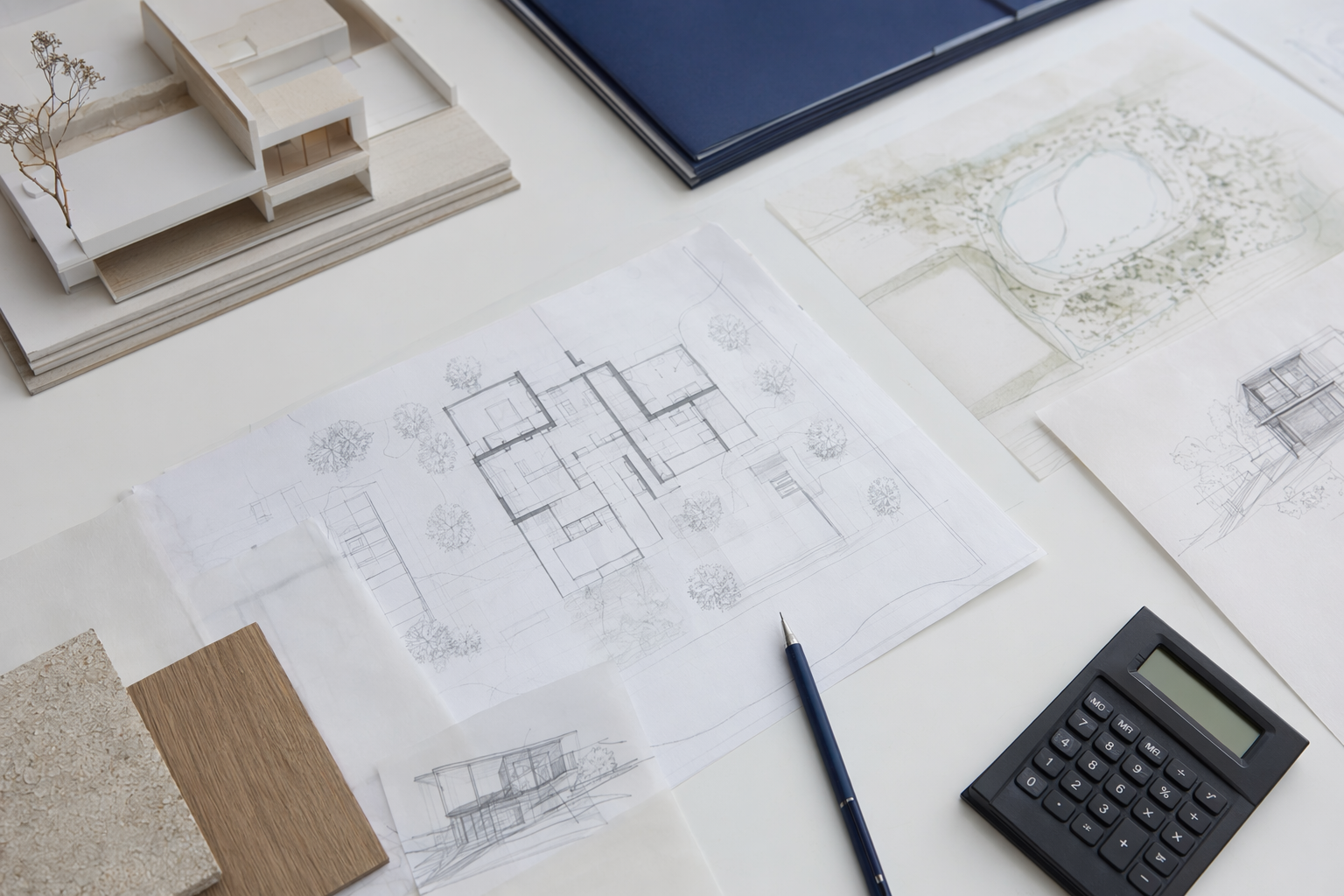
Step 2: Gather your site information (site readiness)
Collect everything you can about the land and existing conditions. This helps an architect quickly understand constraints like grading, access, and where structures are allowed.
Good starting items include: a recent survey (if you have one), property dimensions, and any known easements (like utility lines or shared driveway access). If you don’t have these documents, note who might: your prior lender, your closing packet, your contractor, or your local records office.
- Address + parcel/lot number
- Any existing survey, plot plan, or boundary information
- Noted easements, HOA rules, or shared access agreements (if applicable)
Step 3: Clarify your goals and must-haves
Before you talk design, list what matters most. Think in terms of function and living/work needs first, then style. A clear list helps your architect translate your priorities into a workable plan.
Include practical constraints too: who will use the space, accessibility needs, privacy needs, parking needs, and preferred natural light or layout goals. If you have examples (photos or links), gather them—just avoid assuming the architect will copy them exactly.
- Top 3 must-haves (example: more daylight in kitchen, a separate office entrance, more storage)
- Any “deal-breakers” (example: no changes to certain walls, keep trees, limit construction disruption)
Step 4: Get your budget reality clear (and your decision style)
An architect can’t build a plan out of numbers you never share. Collect your budget range and what it includes. For example, is your number only design and permitting, or also construction?
Also decide how you want trade-offs handled. Some people prefer keeping the scope smaller to stay on budget. Others prefer a more complete design and adjust finishes later. Your preference helps the team plan appropriately—within the rules of your project and location.
- Budget range (design + permitting vs. construction—state what you mean)
- Preferred trade-off approach: scope, timeline, or finish level
Step 5: Confirm what drawings and approvals you need
Different projects need different document types. If you’re planning for permits, you’ll generally need drawings that meet local requirements. The process can include schematic design, design development, and then permit-ready construction documents.
If you’re not sure what you need, that’s normal. Use this checklist to ask the right questions on your first call. Our guides can help you understand common terms and what to expect when you get matched with a licensed architect for your project.
- Goal: design guidance, permit-ready drawings, or both
- Any known requirements from your city/county/HOA (if you already checked)
Step 6: Assemble your “first call” document pack
Prepare documents so your architect can move faster and ask better questions. You don’t need perfection—include what you have and list what’s missing.
If you have any of the items below, bring them to your first conversation: photos of the interior and exterior, older plans (even if outdated), contractor estimates (if already collected), your survey or plot plan, and any permit letters or inspection notes you received previously.
- Photos: all sides of the house, key rooms, and the area where work will happen
- Existing drawings/plans (if any): architectural sheets, floor plans, or sketches
- Survey/plot plan (if available)
- HOA rules or design guidelines (if applicable)
- Any prior permit history you know of (optional but helpful)
Step 7: Plan your timeline and communication (so you stay in control)
A good project is not just drawings—it’s decisions. Choose a timeline for when you can review and approve choices like layout, massing (the overall building shape), materials, and code-related items.
Also decide how you prefer to communicate. If language support is helpful, mention it early. Clear expectations help everyone collaborate smoothly. You can also review our services overview to see what matching typically covers, and use our guides for practical next steps.
- Review schedule: when you can respond to design questions and revisions
- Your preferred language or support needs for meetings
In plain English
Use this free checklist to gather site info, goals, budget, and basic documents so a matched licensed architect can help you plan the right next steps for your project.
Always hire a licensed architect, and verify the state license yourself before work starts. General information, not architectural, engineering, or legal advice.