What this checklist is for
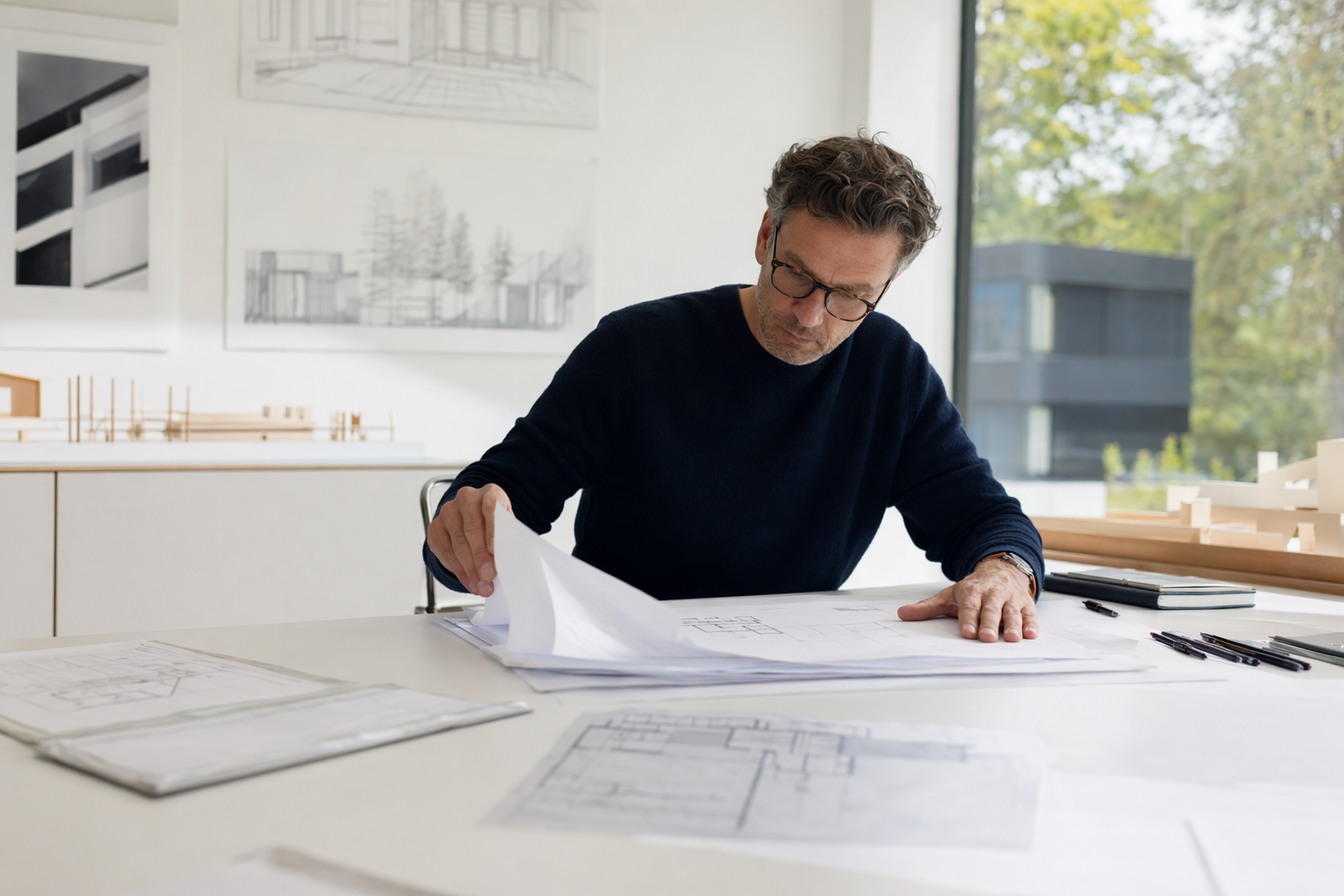
A permit application usually needs a clear set of drawings and forms that show what you plan to build or change. This checklist helps you gather the common items before you apply, so you can have a more organized conversation with a licensed architect, contractor, or your city office.
Studio Northing is not an architecture firm and does not provide architectural, engineering, or legal advice. We help you find and connect with a licensed architect who can prepare permit-ready drawings for your specific project and local rules.
If you are not sure where to start, you can also get matched with a licensed architect for your project type.
Core items many permit applications ask for
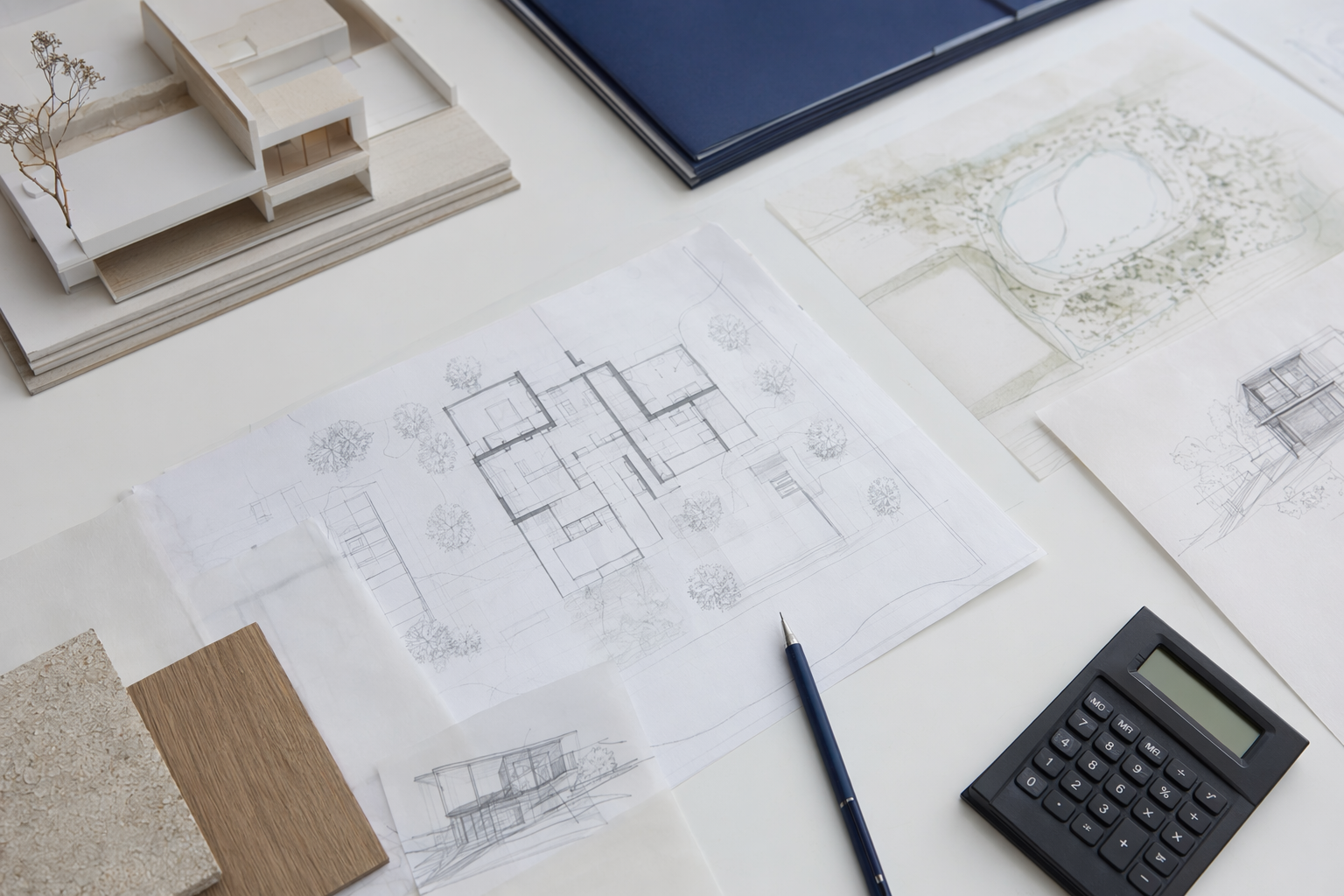
Many cities ask for a basic drawing set that shows the existing conditions and the proposed work. For a house project, that often includes a site plan, floor plans, roof or framing notes, elevations, and building sections. For larger or more complex projects, you may also need structural details, energy documents, and mechanical, electrical, and plumbing information.
Here are common items to look for:
- Completed permit application form
- Site plan showing the lot, building location, and setbacks
- Existing and proposed floor plans
- Exterior elevations
- Building sections or wall details
- Window and door schedules, if needed
- Structural notes or calculations, if required
- Energy compliance forms, if required
- Owner authorization or contractor information, if needed
Some projects also need a survey, drainage plan, grading plan, or fire-safety information. A licensed architect can tell you which items are typical for your type of project and local jurisdiction.
What each document means in plain English
A site plan is a simple drawing of your property from above. It shows where the building sits on the lot and how far it is from property lines. Cities use it to check things like setbacks, access, and lot coverage.
Floor plans show the layout of each level. They help reviewers understand room sizes, circulation, doors, windows, stairs, and any changes to the structure.
Elevations show the outside of the building from each side. Sections are cut-through drawings that show height, layers, and how parts of the building fit together. If your project involves structure or systems, the city may ask for more detail on beams, foundations, HVAC, electrical, plumbing, or fire protection.
If you want help understanding the terms before you speak with a professional, browse our guides for plain-language explanations.
Before you submit, check these common extras
Some permit offices want more than drawings. They may ask for zoning information, a property survey, photos of the existing building, product cut sheets for windows or doors, or calculations for floor area ratio, also called FAR. FAR is a zoning rule that limits how much building area you can have compared with your lot size.
You may also need separate approval from your city, utility company, historic district, HOA, or fire department. In some places, drawings must be prepared or reviewed by a licensed architect or engineer, especially for larger additions, commercial spaces, or structural changes.
Because rules vary, it is smart to confirm the exact checklist with your local building department before you file. If you need help finding the right professional for your project, explore our services or get matched.
How to use this checklist well
Start by asking your city for its permit submittal list. Then compare that list with your project scope and fill in the missing items. If your project is a renovation, addition, custom home, ADU, or commercial build-out, a licensed architect can help you decide what needs to be drawn and what can be left out.
Keep every document in one folder and use clear file names. Save the most current version, because permit reviewers usually want a consistent set with matching dimensions, notes, and dates.
If your project is still early, a short conversation with a licensed architect can save time later. We help you find one through our free matching service, and your cost does not change because of us.
In plain English
This page helps you gather the common drawings and forms many cities ask for, then connect with a licensed architect if you need help preparing a permit package.
Always hire a licensed architect, and verify the state license yourself before work starts. General information, not architectural, engineering, or legal advice.